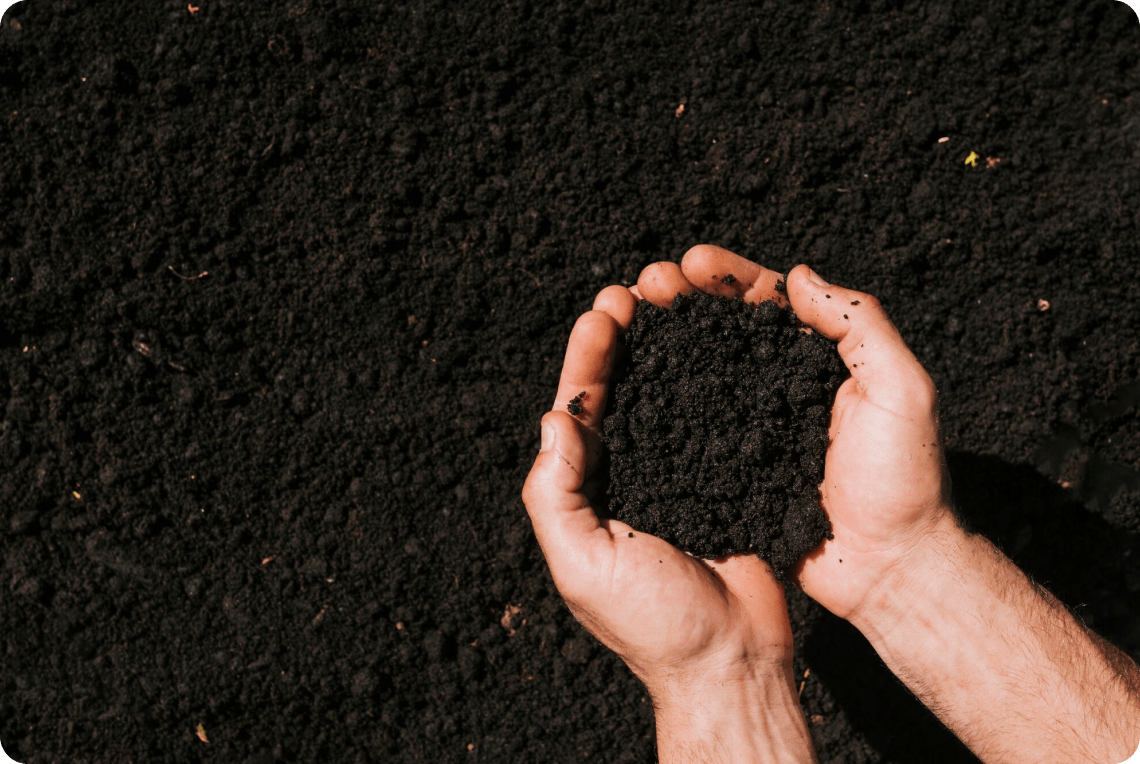
Successful farming starts beneath the surface. Soil quality directly affects seed performance, nutrient availability, water management, and overall crop development. Without accurate information about soil conditions, farmers may apply fertilizers incorrectly, waste resources, or miss opportunities to improve production. Industrial soil testing equipment provides reliable data that helps agricultural professionals understand field conditions and make informed decisions.
Modern testing solutions allow farmers, agronomists, and agricultural businesses to measure important factors such as moisture levels, soil density, and nutrient conditions. Accurate results make crop management more precise and efficient. Prairie Ag Products supplies dependable agricultural tools designed to support better soil evaluation and improved farming practices.
Why Industrial Soil Testing Equipment Matters for Modern Agriculture
Soil testing is no longer limited to basic sampling and visual inspections. Advanced equipment allows growers to collect detailed information about the physical and environmental conditions of their fields. This information helps identify potential problems before they affect crop performance.
Using appropriate testing equipment supports better decisions about irrigation, planting methods, fertilizer application, and soil improvement strategies. Accurate measurements also help reduce unnecessary input costs by showing where adjustments are needed instead of relying on assumptions. Farmers who use advanced testing methods can better understand variations across different areas of a field. This insight supports targeted management practices and helps create favorable growing conditions throughout the season.
How Industrial Soil Testing Equipment Improves Crop Management
The main advantage of industrial soil testing equipment is its ability to collect accurate field data. Instead of depending solely on experience or observation, growers can use measurable results to guide their decisions.
Measuring Soil Moisture for Better Irrigation Decisions
Water management plays an important role in crop health. Excessive moisture can damage roots, while insufficient water can limit growth. Soil moisture sensors help monitor water levels and indicate when irrigation may be necessary.
These sensors reduce guesswork by showing current moisture conditions at different depths. Farmers can use this information to avoid overwatering, conserve resources, and maintain healthier soil conditions.
Understanding Soil Density Through Compaction Testing
Soil structure influences root growth and nutrient movement. Excessive compaction can restrict root development and prevent water from reaching deeper layers. Tools such as soil compaction testers help identify areas where soil density may create challenges.
A soil compaction meter provides measurements that show how tightly packed the soil is. These readings help farmers determine whether cultivation practices or soil management changes are needed to improve growing conditions.
Collecting Accurate Samples With Agricultural Tools
Reliable testing begins with proper sample collection. Agricultural soil samplers help collect representative samples from different areas of a field. Accurate samples provide more reliable testing results and allow farmers to understand variations in soil conditions.
Sampling methods can influence the quality of soil analysis. Using the right tools and following consistent collection procedures helps ensure that test results reflect actual field conditions.
Using Smart Technology for Faster Field Insights
Technology continues to improve agricultural testing methods. Smart soil testing tools combine accurate measurements with digital features that make data easier to record and analyze.
Many modern systems can connect with digital platforms, helping users organize information and track changes over time. These solutions support informed decisions throughout the growing cycle and make it easier to compare field conditions across different seasons.
Applying Wireless Monitoring for Ongoing Soil Analysis
Continuous monitoring has become increasingly valuable for large-scale farming operations. Wireless soil sensors allow farmers to collect soil information remotely without frequent manual checks.
These systems provide regular updates about field conditions and help identify changes quickly. Timely information allows growers to respond to environmental changes that may affect crop performance, irrigation requirements, and soil management decisions.
Features Farmers Should Look for in Soil Testing Equipment
Choosing the right testing tools depends on farm size, crop type, soil characteristics, and specific management goals. Reliable equipment should provide accurate results, withstand field conditions, and support practical daily use.
Important features to consider include:
- Accurate measurement capabilities for soil moisture, density, and other relevant conditions
- Durable construction suitable for demanding agricultural environments
- Easy data collection, storage, and reporting options
- Compatibility with modern farming technology and monitoring systems
- Straightforward operation and maintenance requirements
- Suitability for the specific crops, soil types, and testing procedures involved
Selecting equipment based on these factors helps farmers collect useful data and incorporate test results into everyday field management.
How Better Soil Data Increases Agricultural Productivity
Better soil information helps farmers develop more effective crop management strategies. When growers understand moisture levels, soil structure, and field variations, they can adjust practices to support healthier plants. Accurate testing can help improve fertilizer placement, reduce unnecessary applications, and encourage responsible resource use.
Soil testing also helps identify potential issues early, giving farmers more time to address problems before they affect harvest results. For example, recognizing compacted areas can guide targeted soil management, while moisture readings can help improve irrigation scheduling. Nutrient analysis can further inform fertilizer decisions when combined with appropriate laboratory testing and agronomic recommendations.
Prairie Ag Products provides agricultural solutions that help professionals access dependable testing equipment for improved field analysis. Reliable tools support better planning, informed decisions, and stronger crop management practices.
The Role of Industrial Soil Testing Equipment in Future Farming
Agriculture is becoming increasingly data-driven. Farmers are adopting technology to improve efficiency, reduce waste, and maintain consistent production quality. Industrial soil testing equipment plays an important role in this shift by providing measurable insights that support smarter farming decisions.
As agricultural operations continue to evolve, accurate soil information will remain essential. Advanced testing solutions help growers understand their land more thoroughly and make improvements based on actual conditions rather than estimates. Combining reliable measurements with sound agronomic practices can help farms use water, fertilizers, and other resources more efficiently.
Choose Reliable Industrial Soil Testing Equipment for Better Results
Improving crop yields begins with understanding the conditions that influence plant growth. Reliable soil testing equipment helps farmers evaluate moisture, assess compaction, collect representative samples, and make informed decisions about field management. By incorporating accurate soil data into daily operations, agricultural professionals can improve efficiency and build more effective growing strategies.
Contact Prairie Ag Products today to explore reliable industrial soil testing equipment designed to support accurate soil analysis and smarter crop management.